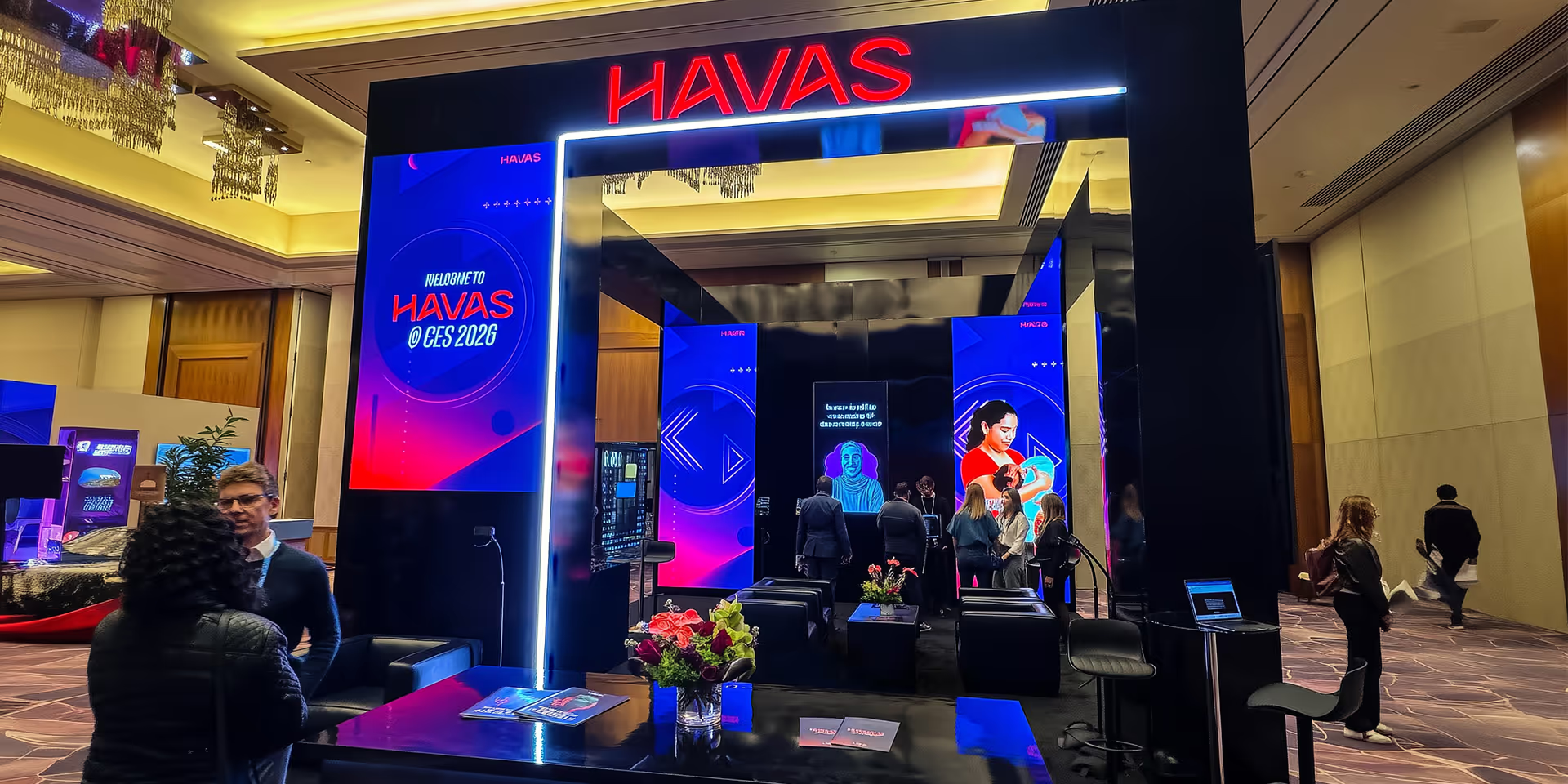
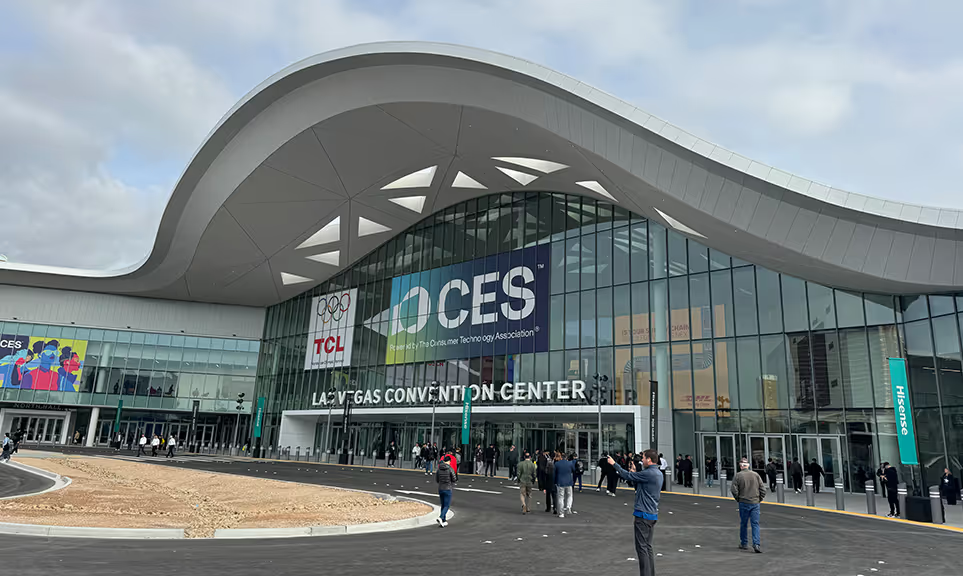
CES 2026 marked a shift in how Havas approached its presence at the show—moving away from spectacle for its own sake and toward a clearer point of view. The creative centered on a simple but timely tension: human intuition versus machine intelligence.
Rather than positioning technology as the hero, the system explored how human insight, creativity, and judgment remain essential in a machine-driven world—especially within media, marketing, and culture.
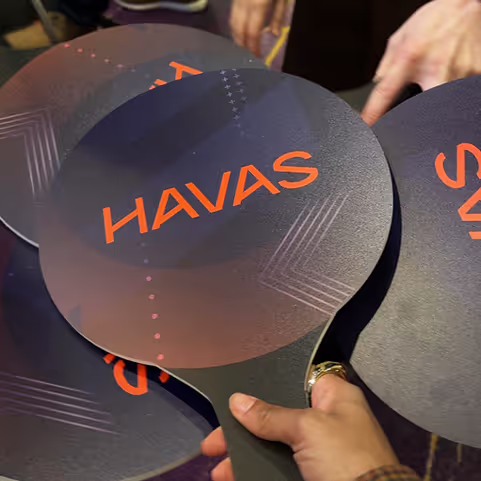
Design played a foundational role in translating the Human vs Machine idea into a flexible, ownable visual system. The goal was not to choose sides, but to visualize the contrast—and the conversation—between the two.
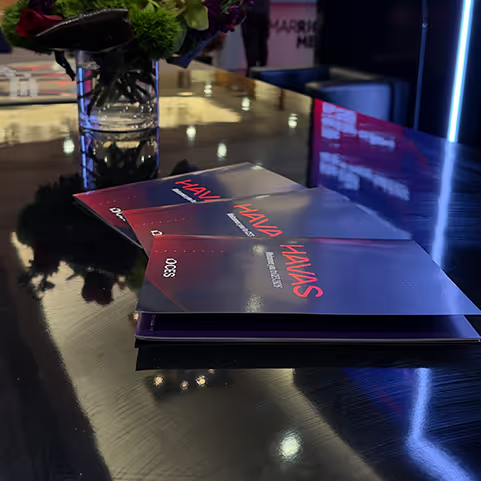
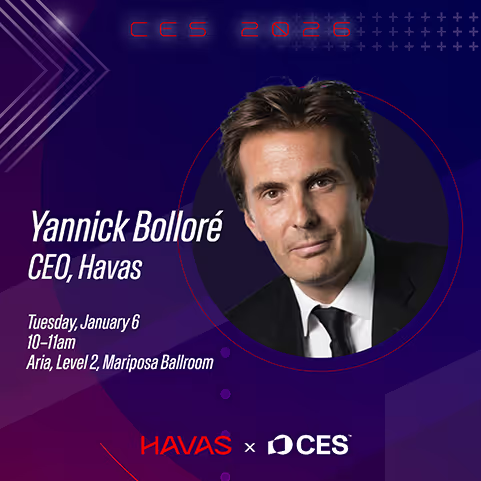
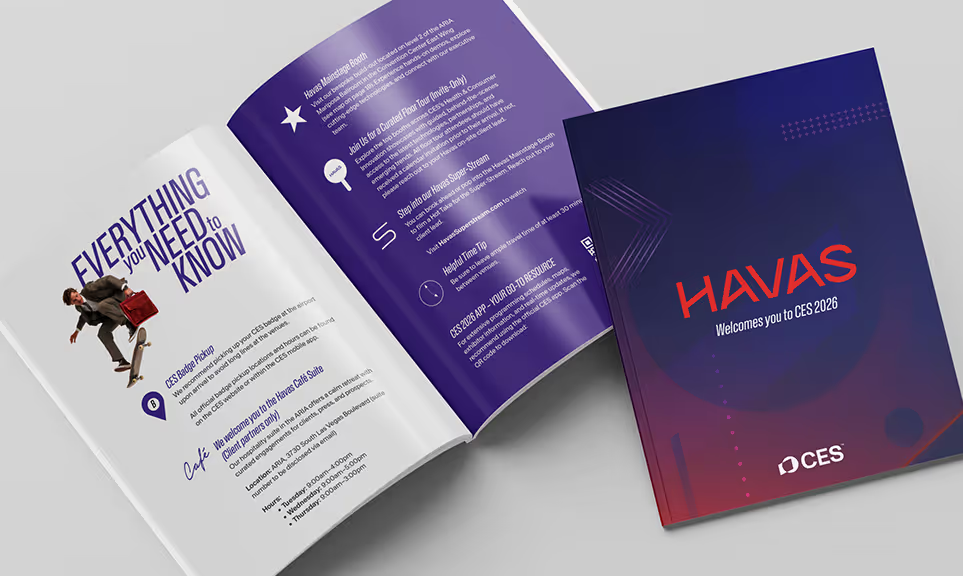
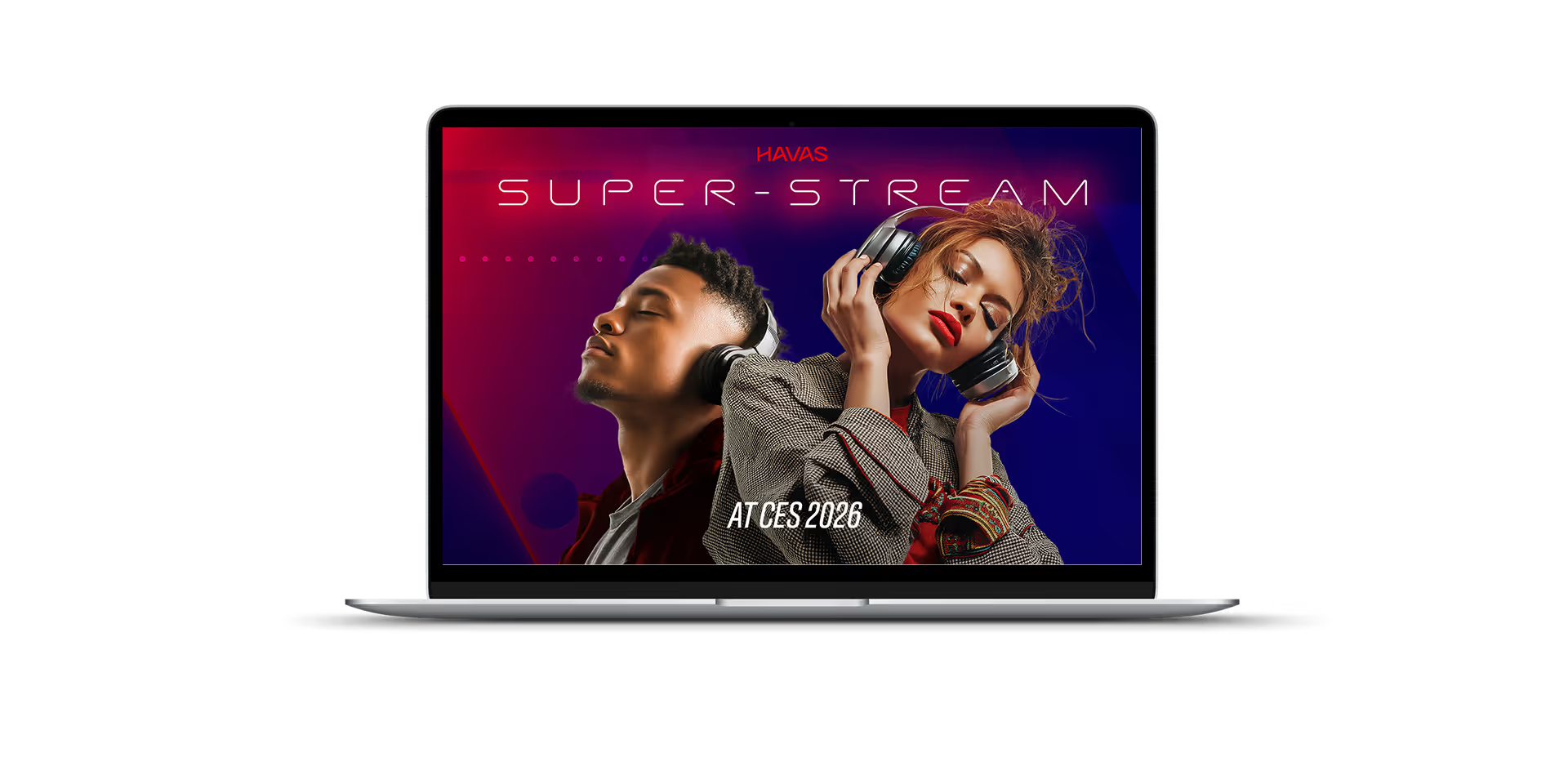
The toolkit balanced structured, geometric forms with expressive color, motion, and scale. Precision and repetition represented machine logic, while human moments were conveyed through contrast, composition, and narrative framing. Together, the system created a visual language that felt intentional, contemporary, and unmistakably Havas.


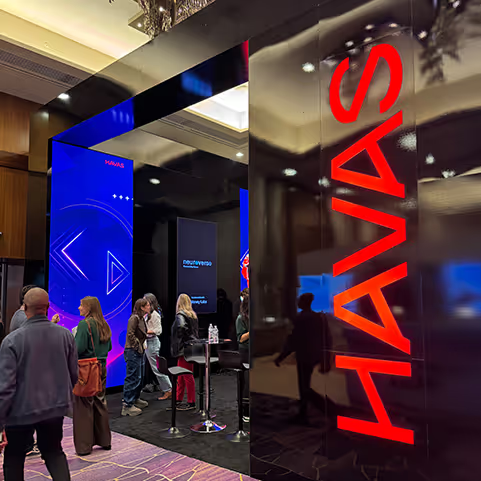
The CES 2026 toolkit was built to scale across digital, environmental, and motion-based touchpoints. Core elements included:• A modular graphic system using geometric shapes to suggest structure and automation
• A bold color palette designed to heighten contrast and tension
• Typographic hierarchy that balanced clarity with expression
• Flexible layouts adaptable to screens, signage, and large-scale environments
The system was designed to support multiple messages and formats while remaining cohesive across the booth, digital displays, and supporting materials.
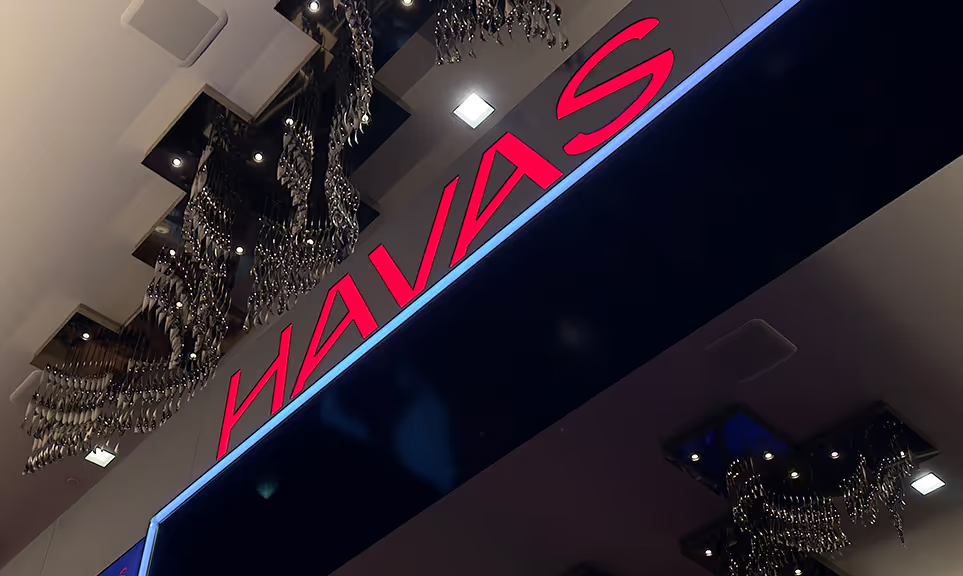

The CES 2026 system positioned Havas with a clear point of view—one that felt thoughtful, relevant, and grounded in real-world conversations around technology and creativity.
By framing CES through Human vs Machine, the work created space for dialogue rather than spectacle, reinforcing Havas’s role as a strategic partner navigating complexity at the intersection of media, technology, and culture.